Simple Sous Vide Vegetables
Cook Sous Vide Tonight: Insulated Cooler Method
Cook Sous Vide Tonight: Running Water Method
A Guide to Presearing for the Best Sous Vide Steaks and Roasts
Ultimate Roast Chicken
Whole Poached Chicken
Buffalo-Style Chicken Skin
How to Truss a Chicken the Traditional Way
Old-School Poutine
The Ultimate Potato Salad
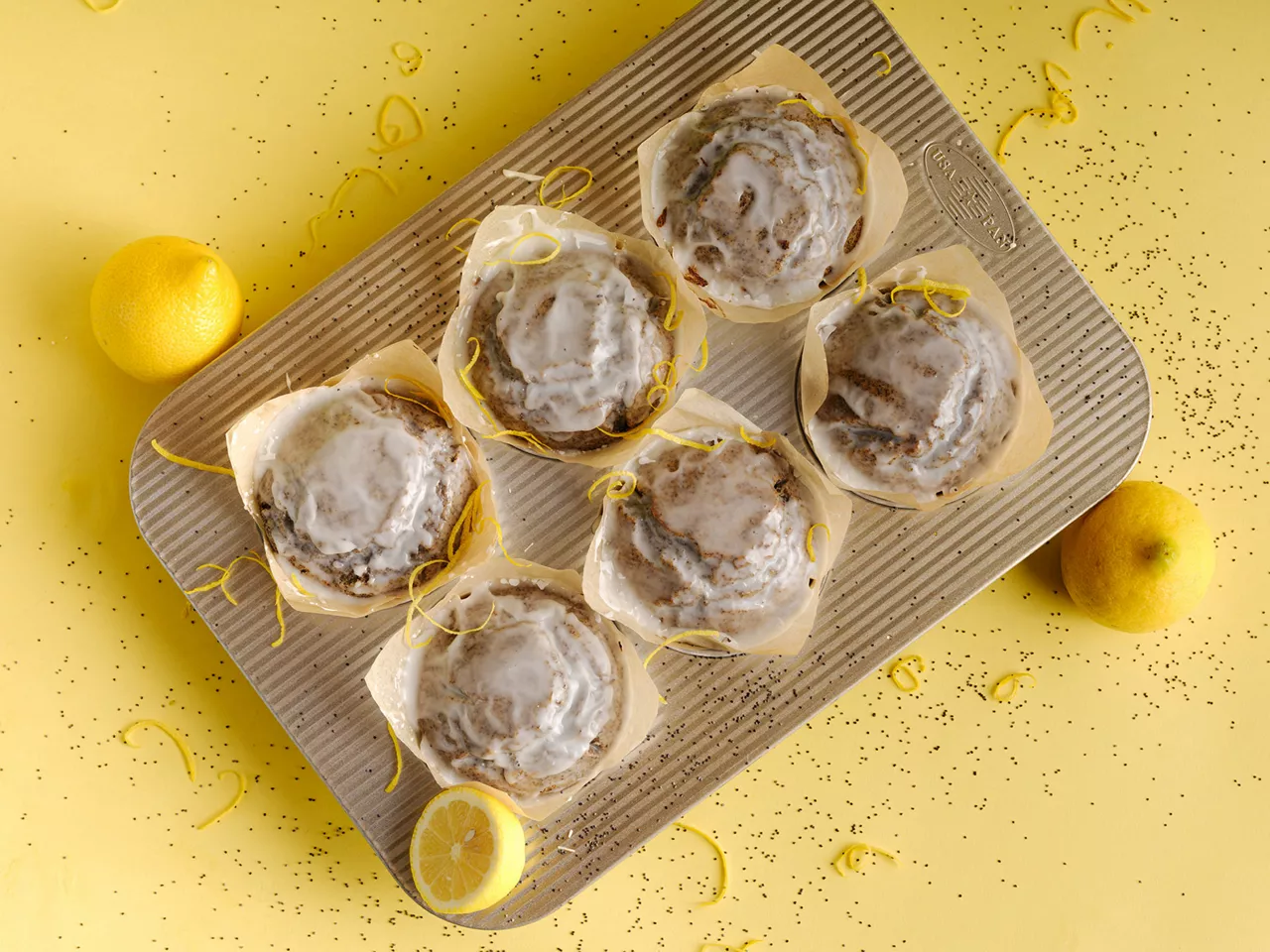
Simple Sous Vide Vegetables
byGrant CrillyTiming
About 20 min
Yield
Delicious carrots and asparagus
Temperature control isn’t as critical for plant foods as it is for meats, seafood, and other delicate muscle foods, but it’s worth exploring the science behind cooking plants to develop best practices—with or without a sous vide machine. It’s really all about undoing the “glue” that binds plant cells together so that your teeth can easily push them apart. Raw vegetables require quite a bit of force to cleave, but overcooked vegetables are mushy because too much glue has been undone. Sous vide allows us to cook at a temperature a bit below the boiling point of water so there is less risk of under- or overcooking your vegetables. Furthermore, sealing your plants before cooking in water helps retain natural plant sugars that would otherwise be diluted in a large volume of cooking water. That means brighter color and fuller flavor, every time.Cook Sous Vide Tonight: Insulated Cooler Method
byGrant CrillySophisticated temperature-controlling immersion circulators are helpful tools to have if you frequently cook sous vide, but once they’ve done the job of heating the water to your desired cooking temperature, nearly all of the energy they continue to add goes into combating heat loss through the side of the bath and, especially, through evaporation. This may come as a surprise, but as long as the mass of the cooking water is much greater than the mass of the food being cooked, only a modest amount of extra energy is needed to raise the food to the desired temperature. This is a consequence of water having a very high specific heat, which in lay terms means that there is an enormous amount of heat energy stored in the cooking water. A sous vide tool—like Joule, the tool we developed here at ChefSteps—can provide this extra energy over time, of course, but you can also provide the extra energy in advance by simply increasing the temperature of the surrounding water by a few degrees. By the time the food reaches your desired cooking temperature, the water will have cooled slightly due to the extra heat energy flowing from the water into the food. The key to this technique, however, is ensuring that you use a well-insulated container to hold the hot water and the food being cooked. An inexpensive cooler—complete with an insulated lid—is perfect for the task. You'll also need an instant read thermometer to check your temperatures. WHAT YOU’LL NEED:
Cooler
Digital instant-read thermometer
1-gallon Ziplock-style freezer bag(s)Cook Sous Vide Tonight: Running Water Method
byGrant CrillyBy now, you’ve probably heard about the **incredible results you can achieve with sous vide cooking**. Think [link https://www.chefsteps.com/activities/sous-vide-steak steak] that’s perfectly pink from one edge to the other and salmon that winds up exactly the way you want it, every time. With sous vide, there’s no risk of overcooking your food, even if dinner gets delayed. If you want to test-drive the method before you commit to buying special equipment, here, friends, is a way to kick the tires. Do like we do and use it to make **a killer rack of lamb**, or try [link https://www.chefsteps.com/activities/sous-vide-chicken-breast Sous Vide Chicken Breast] or [link https://www.chefsteps.com/activities/sous-vide-pork-chop some pork chops]. Take your pick—your meat will be ready to roll in about an hour, cooked just the way you want. In a hurry? Fish—like that perfect [link https://www.chefsteps.com/activities/sous-vide-salmon--2 Sous Vide Salmon] we mentioned above—can be ready in as little as 30 minutes. The best part? **You more than likely already have what you need to cook sous vide right in your kitchen**. If you are in possession of a ziplock-style bag, a pot or plastic tub to cook in, a digital thermometer (see note below), and some cooking oil, you’re in business. It all happens in the kitchen sink, using just a trickle of water to keep the water temperature consistent. Once you sit down to your first sous vide meal at home and discover how good it is, we bet you’re going to want to do it again. And again. And again. NOTE: Bonus points if you have a probe thermometer like the one we use in the video to keep an eye on the temperature of both the water and your protein, but you’ll be just fine without it.A Guide to Presearing for the Best Sous Vide Steaks and Roasts
byChefStepsThere are several advantages to presearing some foods before cooking them sous vide. Presearing builds flavor; it produces better browning and a more robust crust; it can reduce the possibility of overcooking your perfectly cooked meat after it comes out of the sous vide bath; it can reduce the risk of foodborne contamination; and it makes for better looking food.Ultimate Roast Chicken
byGrant CrillyTiming
5 days total; 35 min active
Yield
Serves 2 to 4
This is roast chicken, perfected. It’s what every other roast chicken recipe in the world promises but doesn’t deliver: a beautifully browned bird with actually crispy skin and super tender, super juicy, perfectly cooked meat. The process isn’t quick, but it’s worth it: Inject the bird with brine, let it air-dry for three to five days to dry out the skin, then use a two-step cooking process with a long rest in the middle to slowly bring the internal temp up, and then blast the exterior to get that crispy skin without drying out the meat. EDITORS’ NOTE: We retested and updated this recipe to streamline the process. We found the poaching step before air-drying the bird to be unnecessary and found that the air-drying step could be reduced to three to five days. We also offer alternatives for people who can’t (or don’t want to) hang a chicken in their fridge or oven, and we’ve included settings and directions for using a professional Rational oven and a home countertop oven.Whole Poached Chicken
byNicholas GavinYield
1 whole chicken
There’s really nothing like homemade chicken soup, but with this recipe, we’ve killed three birds—no pun intended—with one stone: at the end, there’s a perfectly poached chicken, tender vegetables, and a flavorful broth that can transform into a rich sauce. The use of a sous vide pouch and an immersion circulator in lieu of a pot on the stove means that the vegetables will never overcook and that the meat will be succulent and juicy. We’ve offered three serving options: (1) a chicken soup, hearty with chunks of meat and vegetables; (2) a rustic, family-style whole chicken served with a gravy boat of jus; and (3) an elegant plated dish, drizzled with jus and topped with crunchy salt. You’re welcome.Buffalo-Style Chicken Skin
byGrant Crilly ,Nicholas GavinYield
4 skewers
If you’re a fan of Buffalo wings, you’ll love these crispy, flavor-packed morsels. We pressure-cook the skin, deep fry, and then grill over Binchotan charcoal. The combination of cooking techniques yields an irresistible texture and juicy flavor that will astound and please your guests. We included these on the menu at two recent events and they were a huge hit! Prepped and skewered ahead of time, they would definitely steal the show at a tailgate party.How to Truss a Chicken the Traditional Way
byChefStepsYield
1 trussed chicken
Trussing a chicken is a basic culinary skill that’s just worth knowing how to do. Here we demonstrate the traditional approach you’ll find most chefs use to truss a chicken before they roast it, but you might also want to check our our unconventional approach to trussing the ultimate roast chicken too.Old-School Poutine
byBen JohnsonYield
400 g per plate
The unofficial junk food of Canada, poutine—a dish of french fries, squeaky cheese curds, and gravy—has multiple origin stories. Our favorite involves Chef Fernand Lachance, who heeded a customer’s request to add cheese curds to a plate of french fries, then huffily pronounced his creation a *maudite poutine*, or “damned mess.” Nowadays, you can find anything from lobster poutine to chicken curry poutine, but the basic preparation remains the same: start with thin-cut fries, as crispy as you can get them; top with fresh cheese curds; and then drizzle a rich, savory gravy on top. A mess—and a damned good one, we say.The Ultimate Potato Salad
byChefStepsTiming
1.5 hr
Yield
1250 g
When you make [link https://www.chefsteps.com/activities/bbq-beef-short-ribs Beef Short Ribs] or [link https://www.chefsteps.com/activities/smokerless-smoked-chicken Smokerless Smoked Chicken] as mean as ours, it’s easy to see why plain ol’ potato salad is rarely the star of the barbecue show. Here, however, **we treat spuds like the leading ladies they are**, dressing them with a supporting cast of delicious condiments, eggs, and irresistible crunchy stuff. It starts with cooking baby Yukon Gold potatoes sous vide to highlight their firm texture. From there, we use some our favorite homemade fridge items, including [link https://www.chefsteps.com/activities/japanese-kewpie-style-mayo Japanese (Kewpie-Style) Mayo] and a pickled trifecta of [link https://www.chefsteps.com/activities/pickled-mustard-seed mustard seeds], [link https://www.chefsteps.com/activities/pickled-onions onions], and [link https://www.chefsteps.com/activities/dill-pickled-cucumber cucumbers]—all stuff that can be made days ahead of time. Along with the yin and yang of creamy mayo and crisp pickled ingredients, this dish is big on texture. We amp it up even more by adding hard-boiled eggs, plus blanched celery for snappy bite. With those dense, creamy potatoes setting the stage, every ingredient adds something to the party, creating what we humbly think is the perfect side dish for barbecue.
Grant Crilly
Nicholas Gavin
Kyl Haselbauer
Matthew Woolen
Joe Yim
Tim Chin
Jonathan Zaragoza
Leah Cohen
Andrew Janjigian
John Carruthers
Laila Ibrahim
Selected tab:
Grant Crilly
Meet our chefs
Grant Crilly
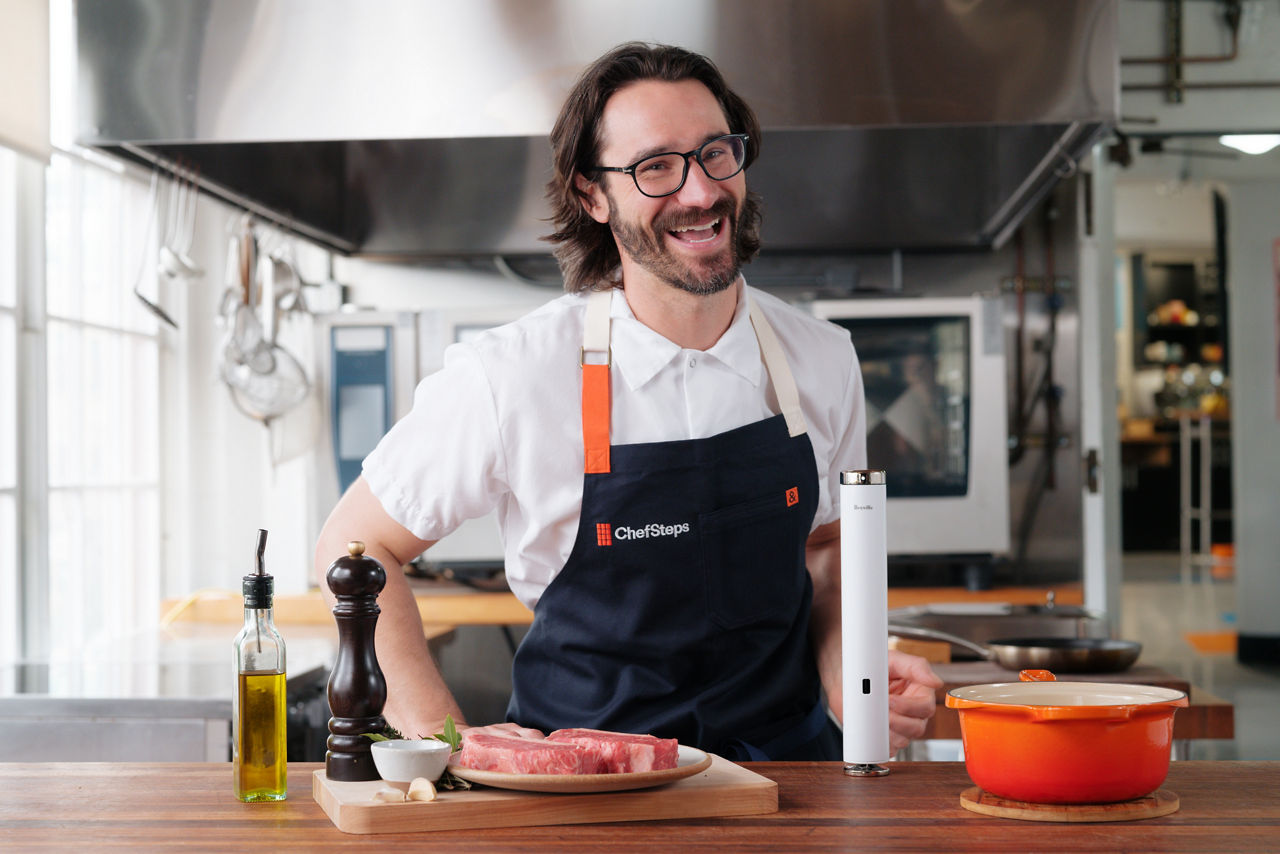
Grant Crilly is the Executive Director and cofounder of ChefSteps. Grant is a classically trained chef and, prior to ChefSteps, he worked on the award-winning cookbook series Modernist Cuisine and cooked at various restaurants, including L’Astrance in Paris, Busaba in Mumbai, and Mistral Kitchen in Seattle.